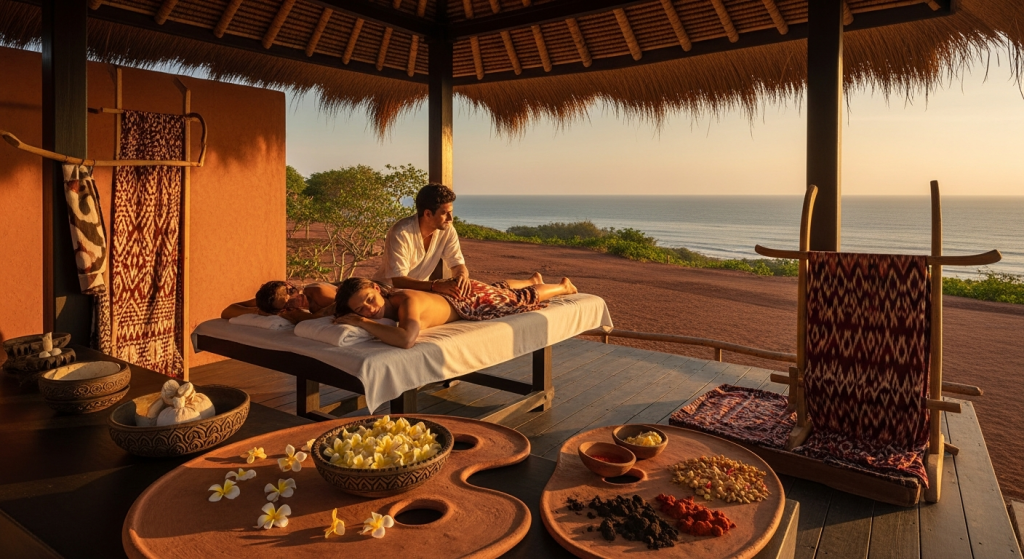
The scent of sandalwood drifts on the air, carried by an ancient wind. Below, the turquoise Indian Ocean meets a white-sand shore, untouched. This is Sumba, an island where time slows, and the pursuit of profound personal transformation begins.
The Essence of Sumba Retreats: Beyond Luxury
Sumba retreats are not merely vacations; they are meticulously crafted journeys designed for deep rejuvenation and cultural understanding. The island, approximately 11,153 square kilometers, maintains a strong animist Marapu belief system, influencing daily life and traditions. This spiritual bedrock shapes the retreat philosophy, moving beyond superficial indulgence towards meaningful engagement. Guests seek a departure from the ordinary, a space where executive recovery and family bonding occur naturally, facilitated by an environment of unparalleled privacy and service. The average Sumba retreat spans 5 to 10 days, offering ample time for complete immersion.
Ultra-luxury defines the operational standard. Properties like Nihiwatu Resort, celebrated as the “World’s Best Hotel” in 2016 and 2017 by Travel + Leisure, exemplify this. Nihiwatu spans 400 acres with 2.5 kilometers of private beach, offering 25 exclusive villas. Its commitment extends to the local community through the Sumba Foundation, established in 2001, providing clean water, health services, and educational support to over 250,000 island residents. This philanthropic integration forms a core aspect of the Sumba retreat ethos, ensuring responsible tourism. Choosing a Sumba retreat means opting for a destination where luxury directly contributes to local well-being.
The demand for Sumba retreats comes from UHNW transformation seekers who value authenticity and impact. These individuals prioritize experiences that offer genuine cultural exchange and advanced wellness modalities over standard resort amenities. Understanding the nuanced offerings, from surf-luxury programs to intensive breathwork sessions, is crucial for selecting the right retreat. Access to the island is primarily through Tambolaka Airport (TMC) in West Sumba or Waingapu Airport (WGP) in East Sumba, with direct flights typically from Denpasar, Bali, taking approximately one hour. Learn more about Sumba’s unique geography and culture on Wikipedia.
Premier Destinations: Nihiwatu, Lelewatu, and Maringi Cliff House
The landscape of Sumba retreats is defined by a select few properties, each offering a distinct flavor of ultra-luxury and transformative experience. Nihiwatu Resort remains the benchmark. Located in West Sumba, its 25 villas blend traditional Sumbanese architecture with contemporary design, each offering expansive views of the Indian Ocean. The resort’s focus on horse-culture is prominent, with its Sandalwood stables housing 30 horses, available for beach rides and equestrian therapy. Surfing at Occy’s Left, a renowned private wave, is a signature Nihiwatu experience, available exclusively to guests. Retreats here often integrate advanced yoga, meditation, and bespoke spa treatments.
Lelewatu Resort, situated in East Sumba near Waingapu, offers a different perspective. With 27 villas spread across 13 acres, Lelewatu provides a more intimate, yet equally luxurious, setting. The resort emphasizes culinary excellence, sourcing fresh, local ingredients for its two restaurants. Its proximity to traditional villages allows for direct cultural interaction, including visits to weaving communities and megalithic sites. Lelewatu retreats typically focus on holistic wellness and cultural immersion, with programs incorporating cooking classes, traditional healing practices, and guided explorations of East Sumba’s rugged landscape. The resort is approximately a 45-minute drive from Waingapu Airport (WGP).
Maringi Cliff House offers an exclusive, private island-style retreat experience. This standalone villa, often booked for discerning families or small groups, provides three luxurious bedrooms, an infinity pool, and dedicated staff including a private chef. It represents the pinnacle of secluded luxury, ideal for executive recovery or discreet family bonding. Guests at Maringi Cliff House often arrange bespoke itineraries, from private surf charters to guided cultural excursions, all tailored to their specific desires. These properties collectively define the high standard of Sumba retreats, ensuring privacy, personalized service, and deep engagement with the island’s spirit. Explore more options for Sumba retreats at Sumba Retreats.
Wellness and Transformation: Spa, Yoga, and Breathwork
Wellness is a cornerstone of Sumba retreats, integrating ancient healing traditions with modern therapeutic practices. The Mandara Spa, a name synonymous with luxury wellness across Southeast Asia, often influences or directly operates spa facilities in Sumba’s premier retreats. These spas offer a comprehensive menu of treatments, from traditional Sumbanese massages using local herbs and oils to advanced hydrotherapy and detoxification programs. The focus is on holistic well-being, addressing physical, mental, and spiritual aspects of health. A typical spa session can range from 60 to 120 minutes, utilizing natural ingredients sourced directly from the island or the broader Indonesian archipelago.
Yoga and breathwork form critical components of transformative programs. Retreats feature highly qualified instructors leading sessions in open-air pavilions overlooking the ocean or amidst lush tropical gardens. Styles range from Vinyasa and Hatha to more restorative Yin yoga, catering to all experience levels. Breathwork sessions, including practices like Wim Hof Method or Transformational Breath, are designed to reduce stress, improve mental clarity, and enhance energetic flow. These practices are often combined with guided meditation and mindfulness exercises, providing tools for sustained well-being beyond the retreat duration. A typical yoga class lasts 75 minutes, with breathwork sessions extending to 90 minutes.
Beyond structured classes, Sumba retreats emphasize a pervasive sense of wellness. Fresh, organic cuisine, often sourced from on-site gardens or local farms, supports detoxification and provides nourishing sustenance. Nutritionists and wellness coaches are frequently available to consult on personalized dietary plans. The remote, pristine environment itself contributes significantly to the healing process, offering clean air, natural light, and a profound sense of peace. This integration of environment, expert guidance, and personalized care defines the transformative potential of Sumba wellness programs. Discover specific wellness offerings on Sumba wellness programs.
Cultural Immersion: Horse-Culture and Pasola Festival
Sumba’s vibrant horse-culture is integral to its identity and a central element of many Sumba retreats. The island is renowned for its Sandalwood ponies, a sturdy and spirited breed deeply intertwined with Sumbanese life and ritual. These horses are not merely livestock; they are symbols of status, power, and connection to the spiritual world. Guests at resorts like Nihiwatu can participate in daily equestrian activities, from sunrise beach rides along the 2.5-kilometer private beach to more advanced riding lessons. The connection formed with these animals offers a unique form of therapy, promoting mindfulness and a deeper appreciation for local traditions. The Sandalwood pony, typically standing 12-13 hands high, is celebrated annually during various cultural events.
The Pasola festival stands as the pinnacle of Sumbanese cultural immersion, a spectacle of ancient ritual and equestrian skill. This annual jousting festival, occurring typically in February or March (tied to the full moon and the arrival of sea worms, nyale), sees hundreds of horsemen from two opposing villages engage in mock battles with blunted spears. The event is a purification ritual, believed to ensure a successful harvest and ward off evil. Attending Pasola as a VIP guest provides unparalleled insight into Marapu beliefs and the island’s enduring traditions. Due to its cultural significance and intensity, Pasola dates are announced close to the event, requiring flexible travel planning. The festival draws thousands of local spectators and a select few international visitors.
Beyond these marquee events, Sumba retreats facilitate authentic interactions with local communities. Guests can visit traditional villages, observe ikat weaving, and learn about the intricate architecture of traditional Sumbanese houses with their towering roofs. These experiences are facilitated with respect for local customs, often guided by local experts who provide context and ensure genuine cultural exchange. The opportunity to witness and participate in Sumba’s living traditions offers a profound counterpoint to the wellness and adventure components of a retreat, creating a truly holistic and transformative journey. Explore more about Sumba’s culture and festivals on Indonesia.Travel.
Adventure and Exploration: Surf, Private Islands, and Beyond
Sumba retreats extend beyond relaxation and cultural engagement, offering unparalleled adventure for the discerning traveler. Surfing is a prime draw, particularly in West Sumba, home to some of Indonesia’s most exclusive breaks. Nihiwatu Resort, for example, boasts exclusive access to Occy’s Left, a world-class left-hand reef break named after Australian surfing legend Mark Occhilupo. This wave is strictly limited to 10 surfers per day, ensuring uncrowded conditions and an exceptional experience. Surf guides and instructors are available for all skill levels, from beginners seeking their first wave to experienced riders chasing barrels. The prime surf season typically runs from April to October, with consistent swells and favorable winds. Private surf charters to other breaks around the island can also be arranged.
The island’s coastline is dotted with pristine, uninhabited islets and coves, ideal for private island excursions. Retreats often organize bespoke boat trips, allowing guests to discover secluded beaches, snorkel in vibrant coral gardens, or enjoy gourmet picnics on untouched sands. These experiences offer ultimate privacy and a sense of discovery, far from any crowds. A typical private island excursion might last a full day, including snorkeling gear, paddleboards, and a dedicated crew. The waters surrounding Sumba are rich in marine biodiversity, with visibility often exceeding 20 meters, making them perfect for underwater exploration.
Beyond the ocean, Sumba’s rugged interior invites exploration. Guided treks to hidden waterfalls, such as Lapopu Waterfall (a 90-minute drive from Tambolaka), or visits to ancient megalithic burial sites offer a glimpse into the island’s natural beauty and historical mystique. Horseback riding through rice paddies or along deserted beaches provides a unique perspective of the landscape. Mountain biking, bird watching (Sumba is home to several endemic species), and exploring local markets are also popular activities. These adventures are seamlessly integrated into retreat itineraries, ensuring a balance of activity and relaxation, tailored to individual preferences. The focus remains on responsible exploration, respecting the environment and local communities.
Planning Your Sumba Retreat: A How-To-Choose Framework
Choosing the right Sumba retreat requires careful consideration of your transformation goals and logistical preferences. Start by defining your primary objective: is it deep wellness and spa, intensive surf luxury, cultural immersion, executive recovery, or family bonding? This clarity will guide your selection. For unparalleled surf access and a strong philanthropic connection, Nihiwatu Resort is often the choice. If a more intimate cultural and culinary focus appeals, Lelewatu Resort in East Sumba might be more suitable. Maringi Cliff House caters to those seeking ultimate privacy and bespoke service for small groups or families. Retreat durations typically range from 5 to 10 days, allowing sufficient time for profound impact.
Logistics are straightforward but require attention. Sumba is serviced by two main airports: Tambolaka (TMC) in West Sumba, ideal for Nihiwatu, and Waingapu (WGP) in East Sumba, closer to Lelewatu. Domestic flights from Bali (Denpasar, DPS) are frequent, with a flight time of approximately one hour. Private charter flights can also be arranged for ultimate convenience. Ground transfers from both airports to the resorts are usually organized directly by the retreat providers, ensuring a seamless arrival. Visa requirements for Indonesia typically involve a visa-on-arrival for many nationalities, valid for 30 days. Confirm current regulations with the Indonesian Embassy prior to travel.
When evaluating Sumba retreats, inquire about specific certifications and unique offerings. Does the wellness program feature certified yoga instructors or Mandara Spa affiliations? Are cultural tours led by local, accredited guides? What is the guest-to-staff ratio, and what level of personalization can be expected? Understanding these details ensures the retreat aligns with UHNW expectations for expert depth and transformative experiences. Consider the seasonality, especially if attending the Pasola festival (February/March) or seeking prime surf conditions (April-October). Sumba Retreats is your definitive guide to navigating these choices. Visit Sumba Retreats to begin your journey or contact us for personalized guidance on contacting Sumba Retreats.
Sumba retreats offer more than just a destination; they present an opportunity for profound personal growth, cultural discovery, and unparalleled luxury. The island’s raw beauty, coupled with the meticulous attention to detail at its premier properties, creates an environment where transformation is not just a promise but a tangible outcome. From the ancient rhythms of horse-culture to the serene silence of a breathwork session, every element converges to redefine the luxury travel experience.